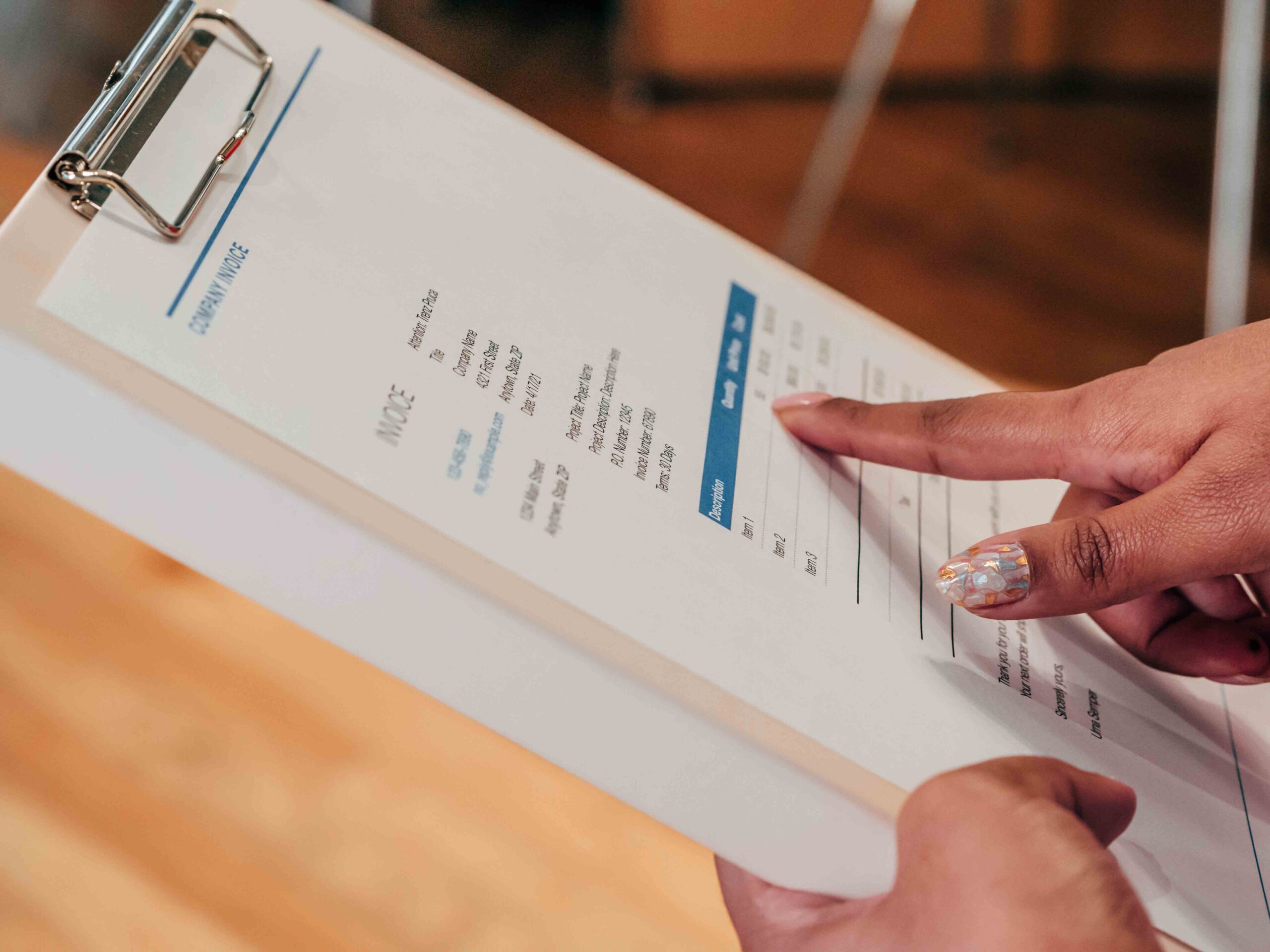


TL;DR
- Withholding tax (WHT) is income tax deducted by the payer at source, before the money reaches the recipient. On interest and dividends it’s also called Advance Income Tax (AIT).
- Main rates for businesses: 5% on service fees to resident individuals above Rs. 100,000 a month, 10% on interest and on rent above Rs. 100,000 a month, 14% on most payments to non-residents, and 15% on dividends.
- If you make these payments, you’re a withholding agent. You must deduct, remit to the IRD on time, and give the recipient a WHT certificate.
- The IRD’s Circular SEC/2026/E/04 (8 June 2026) is the current guidance. Check it before you set up your system.
What is withholding tax in Sri Lanka?
Withholding tax in Sri Lanka is income tax that the payer deducts from certain payments and pays to the Inland Revenue Department (IRD) on the recipient’s behalf. The recipient gets the net amount, plus a certificate showing the tax deducted, which they can usually claim against their own income tax.
For a business, this turns you into a part-time tax collector. Pay a consultant’s fee, rent an office from an individual or pay a dividend, and you may need to deduct tax first. Get it wrong and the IRD can hold you liable for the tax you didn’t deduct.
WHT rates in Sri Lanka
These rates apply from 1 April 2025 and are confirmed in the IRD’s Circular SEC/2026/E/04, issued on 8 June 2026.
| Type of payment | Rate | Notes |
|---|---|---|
| Payments to non-residents for land, sea, air transport or telecom services | 2% | |
| Gem sales at National Gem & Jewellery Authority auctions | 2.5% | |
| Service fees to resident individuals (not employees) | 5% | Where payments exceed Rs. 100,000 in a month |
| Interest or discount (AIT) | 10% | Increased from 5% from 1 April 2025 |
| Rent paid to a resident individual | 10% | Where rent exceeds Rs. 100,000 in a month |
| Royalties | 14% | |
| Service fees or insurance premiums paid to non-residents | 14% | Tax treaties may reduce this |
| Rent paid to non-residents | 14% | |
| Lottery, betting and gambling winnings | 14% | |
| Dividends | 15% | Generally a final tax |
Rates and thresholds can change through amendments and budgets. The Inland Revenue (Amendment) Act No. 11 of 2026 made further changes, so always check the latest IRD guidance.
Who has to deduct WHT?
If your business makes a payment that falls under one of the categories above, you’re a withholding agent. That includes companies, partnerships and, in many cases, individuals running a business.
Common situations for Sri Lankan businesses:
- Paying an independent consultant, accountant, engineer or trainer
- Renting premises from an individual landlord
- Paying dividends to shareholders
- Paying a foreign supplier for services or software royalties
- Paying interest on loans from individuals
Worked example: paying a consultant
Your company engages an independent IT consultant, a resident individual, for a project. The invoice for October is Rs. 250,000.
| Amount | |
|---|---|
| Invoice amount | Rs. 250,000 |
| WHT at 5% (above the Rs. 100,000 monthly threshold) | Rs. 12,500 |
| Paid to the consultant | Rs. 237,500 |
| Paid to the IRD | Rs. 12,500 |
You issue the consultant a WHT certificate for Rs. 12,500. On their annual return, they claim this as a credit against their income tax.
If next month’s invoice is only Rs. 80,000 and they have no other payments from you that month, the 5% WHT on service fees wouldn’t apply, because it’s below the threshold.
What withholding agents must do
- Identify the payment type and the correct rate before you pay.
- Deduct the tax from the payment.
- Remit it to the IRD within the deadline the IRD sets, usually monthly.
- Issue a WHT certificate to the recipient, free of charge, showing the amount paid and the tax deducted.
- Report the deductions to the IRD through RAMIS in the required returns.
- Keep records of every payment, deduction, remittance and certificate.
The last step is where many businesses struggle. When WHT is calculated in a spreadsheet next to the accounting system, it’s easy to miss a payment, apply the wrong rate or lose track of which certificates were issued.
Common WHT mistakes
- Missing the monthly threshold. Several small payments to the same person can add up past Rs. 100,000.
- Using an old rate. Interest AIT doubled from 5% to 10% in April 2025, and some systems weren’t updated.
- Forgetting non-resident payments. Software subscriptions, licence fees and overseas consultants can all attract WHT.
- Late remittance. Penalties and interest add up quickly.
- No certificate. Recipients need certificates to claim their credit, and they’ll chase you for them.
Setting WHT up in your accounting system
The safest way to handle WHT is to build it into your supplier and payment processes, rather than calculating it on the side.
- Flag each supplier’s WHT category in the supplier master.
- Let the system calculate WHT when invoices are approved or payments are made, including monthly thresholds.
- Post the deduction to a WHT payable account automatically.
- Produce remittance totals and certificates from the same data.
- Keep supporting documents attached to each transaction.
Blue Lotus 360 brings finance, procurement and payments together in one cloud ERP built for Sri Lankan businesses. Its document management system keeps invoices and certificates with each transaction, role-based dashboards show tax liabilities as they build up, and core banking integrations with Sampath Bank and DFCC Bank help match payments to the right entries. Our guide to accounting software in Sri Lanka covers what to look for in a system that handles local tax properly.
Getting WHT right
Withholding tax isn’t complicated once it’s built into your processes. Know the rates, watch the thresholds, remit on time and give every recipient a certificate. The businesses that struggle are the ones still tracking WHT in a separate spreadsheet.
Talk to our team about handling WHT, VAT and supplier payments in one system.
This article is general information, not tax advice. Check current rules with the IRD or your tax adviser.
FAQs
What is the WHT rate on service fees in Sri Lanka?
5% on service fees paid to resident individuals who aren’t employees, where payments exceed Rs. 100,000 in a month. Service fees paid to non-residents attract 14%.
What is AIT in Sri Lanka?
Advance Income Tax is withholding tax deducted on interest and dividends. Interest attracts 10% and dividends 15%.
Is withholding tax a final tax?
Sometimes. Dividend WHT is generally a final tax. WHT on service fees is usually creditable, meaning the recipient claims it against their income tax liability.
Do I have to give a WHT certificate?
Yes. Withholding agents must give recipients a certificate showing the payment and the tax deducted, free of charge.
Does WHT apply to payments to foreign suppliers?
Often, yes. Service fees, royalties and rent paid to non-residents generally attract 14% WHT, though a tax treaty may reduce the rate.