

TL;DR
- A quotation tells a customer exactly what you’ll supply, at what price, on what terms, and for how long the offer stands.
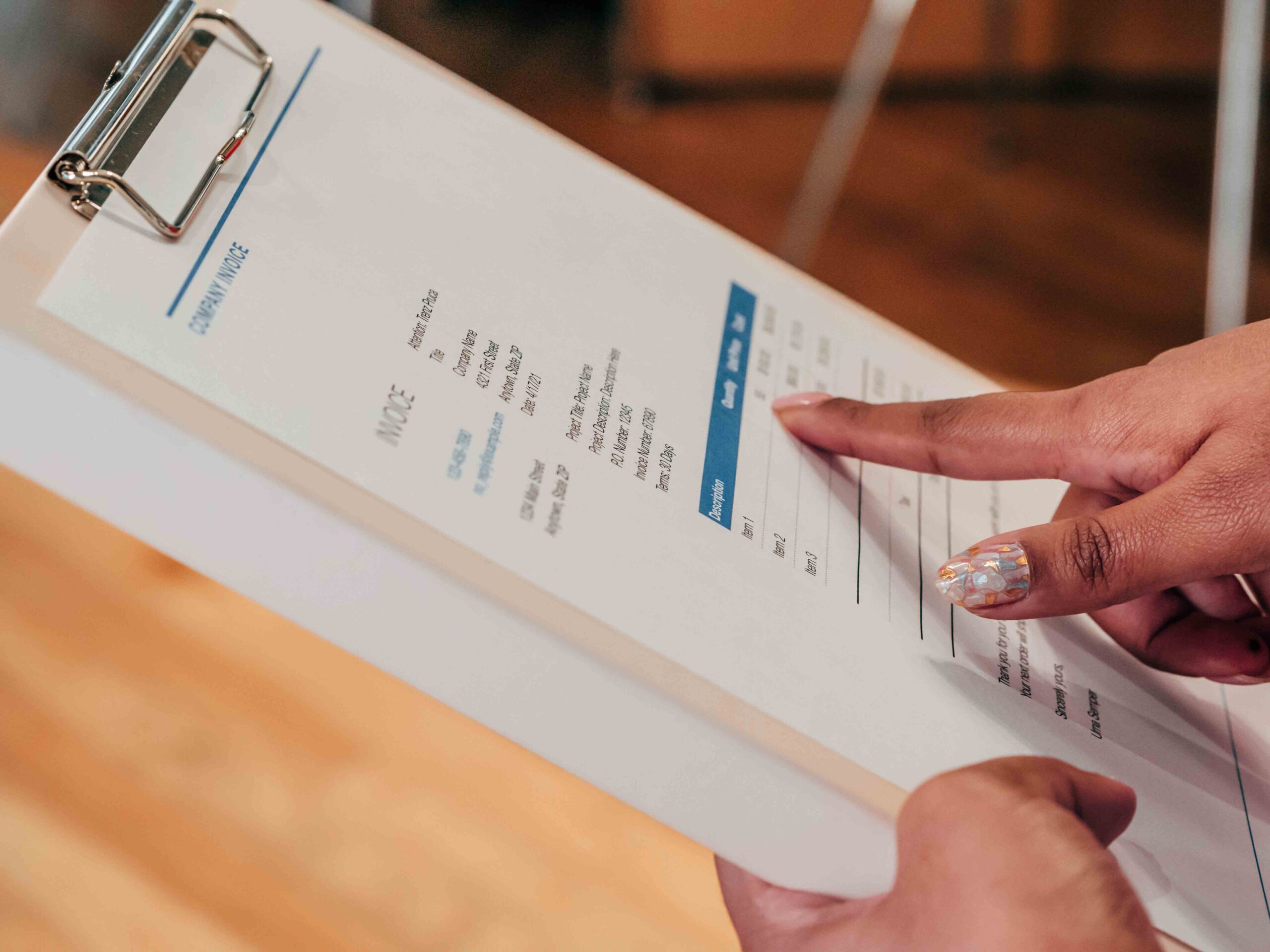
- A good format has six parts: your details, the customer’s details, a reference and dates, the item lines, the totals with VAT shown clearly, and your terms.
- Always give a validity period. Prices for imported goods can change quickly with the exchange rate.
- If you’re VAT-registered, show prices before VAT, the VAT amount at 18% and the total, so the customer can compare like for like.
- Free templates below. When quotes start getting lost in email threads, move them into a system that turns an accepted quote into an order in one click.
Why the format matters
In Sri Lanka, a lot of business still runs on quotations. A hotel group in Galle asks three suppliers for a price on kitchen equipment. A construction company in Kurunegala needs quotes for steel. A government department calls for three quotations before any purchase. In every case, the buyer puts your quote next to two others and compares.
A clear, complete quotation makes that comparison easy and makes you look like the safe choice. A vague one, missing VAT or delivery terms, gets queried or quietly dropped.
What to include in a quotation
| Section | What goes in it |
|---|---|
| Header | Your business name, logo, address, phone, email, and TIN or VAT number if registered |
| Customer | Customer name, contact person, address |
| Reference | Quotation number, date issued, validity date, customer’s enquiry reference if any |
| Item lines | Item code, description, quantity, unit, unit price, line total |
| Totals | Subtotal, discount (if any), VAT at 18% if applicable, total in Rs. |
| Terms | Payment terms, delivery period and location, warranty, what’s excluded |
| Sign-off | Name and position of the person issuing it, and how to accept |
A worked example
A Colombo office furniture supplier quotes a client for a new meeting room:
| Item | Qty | Unit price (Rs.) | Total (Rs.) |
|---|---|---|---|
| Meeting table, 10-seater | 1 | 185,000 | 185,000 |
| Executive chairs | 10 | 32,500 | 325,000 |
| Delivery and installation | 1 | 25,000 | 25,000 |
| Subtotal | 535,000 | ||
| VAT at 18% | 96,300 | ||
| Total | 631,300 |
Terms: valid for 14 days; 50% advance with the purchase order, balance on delivery; delivery within 21 days of order; 12-month warranty on furniture.
That’s a quote a buyer can approve in one read. Every number is visible, VAT is separate, and the terms answer the questions they’d otherwise have to ask.
Five details that win (or lose) quotations
- A validity date. “Valid for 14 days” protects you from being held to old prices, especially on imported items when the rupee moves.
- Clear exclusions. “Excludes civil works and electrical connections” saves an argument later.
- Delivery time. Buyers often choose the supplier who can deliver first, not the cheapest.
- VAT handled properly. Show VAT separately if you’re registered, and don’t add VAT if you’re not. Our VAT invoice format guide covers the rules for the invoice that follows.
- A reference number. Number every quote so you can follow up, and so the customer’s purchase order can refer to it.
Quotation, proforma invoice and invoice: what’s the difference?
A quotation is an offer: here’s what we’ll supply and the price. A proforma invoice is often used once the customer intends to buy, especially for advance payments or import paperwork. An invoice is the demand for payment after supply. Only the invoice (in the correct tax invoice format, if you’re VAT-registered) supports the buyer’s VAT claim.
Following up
Most quotations are won or lost in the follow-up. Call two or three days after sending, ask if anything needs clarifying, and note the outcome. Over time, your won and lost quotes tell you a lot about your pricing.
From templates to a system
A quotation template in Excel or Word works when you send a few quotes a week. It gets harder when several salespeople are quoting, prices change often, and nobody knows which quotes are still open. Quotes get retyped as sales orders, and mistakes creep in.
In Blue Lotus 360, quotations are created from your item master with current prices, sent as PDFs, tracked by status, and converted to sales orders and invoices with one click when the customer accepts. Field sales teams can create quotes on mobile through sales force automation, and managers can see the pipeline of open quotations at any time.
Talk to our team about quotations, orders and invoicing in one system.
FAQs
What is a quotation format?
A standard layout for a price offer, showing your details, the customer’s details, the items and prices, totals including VAT, and your terms and validity period.
Should a quotation include VAT?
If you’re VAT-registered, show the price before VAT, the VAT amount at 18% and the total. If you’re not registered, don’t add VAT.
How long should a quotation be valid?
Typically 7 to 30 days. Use shorter periods for imported goods or items with volatile prices.
Is a quotation legally binding?
A quotation is an offer. Once the customer accepts it, usually with a purchase order, a contract can form on those terms. Make your terms clear on the quote.
What’s the difference between a quotation and an estimate?
A quotation is a fixed price for defined work. An estimate is an approximate figure that may change once the full scope is known.