

TL;DR
- 5S is a method for organising a workplace: Sort, Set in order, Shine, Standardise and Sustain. Kaizen means continuous, small improvements made by everyone.
- Many Sri Lankan factories, especially in apparel, already know 5S from productivity drives and award schemes. The challenge is keeping it going after the audit.
- Start with one area, involve the team, measure a few simple things, and review every day.
- Data on output, wastage, downtime and stock helps turn 5S and kaizen from a clean-up exercise into lasting improvement.
Why 5S and kaizen still matter
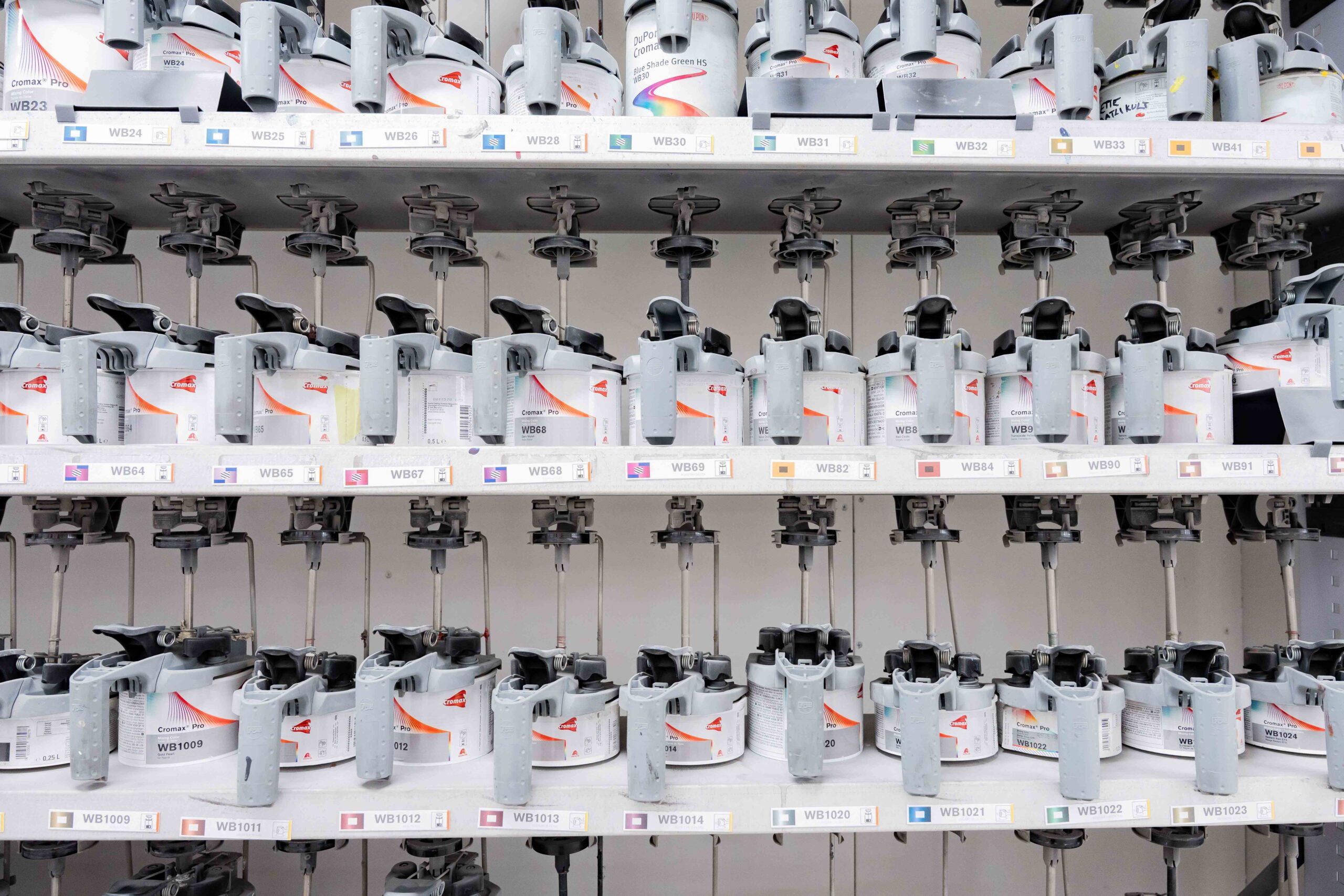
Walk through a well-run apparel plant in Katunayake or Biyagama and you’ll see 5S everywhere: labelled racks, marked walkways, shadow boards for tools, and productivity charts by the line. Many Sri Lankan factories adopted these Japanese methods years ago, often through national productivity programmes and award schemes.
Yet in many smaller factories, 5S is something done once before an audit and then forgotten. That’s a missed opportunity. Done properly, 5S and kaizen cut search time, reduce accidents, lower wastage and make problems visible before they become costly.
The 5S steps, with shop-floor examples
| Step | Japanese | What it means | Example in a Sri Lankan factory |
|---|---|---|---|
| Sort | Seiri | Remove what isn’t needed | Clear old fabric rolls and broken tools from the cutting room |
| Set in order | Seiton | A place for everything | Label racks for each raw material and mark floor zones |
| Shine | Seiso | Clean and inspect | Daily machine cleaning that also spots oil leaks or worn belts |
| Standardise | Seiketsu | Make it the normal way | Photos of the correct layout posted at each workstation |
| Sustain | Shitsuke | Keep it going | Weekly 5S audits with scores shared on the notice board |
The last two steps are where most programmes fail. Without standards and regular audits, areas slowly drift back to how they were.
Kaizen in daily practice
Kaizen is the habit of small, continuous improvement. It’s not a one-off project. It works best when:
- Everyone can suggest improvements, from supervisors to machine operators.
- Ideas are small and quick to test, like moving a bin closer to a workstation.
- There’s a short daily meeting at the line to review yesterday’s problems.
- Results are visible on a board, with simple measures.
- Good ideas are recognised, not just implemented.
A kaizen suggestion scheme with a simple form and a fast response is one of the easiest ways to start. Staff quickly lose interest if suggestions disappear into a box.
Examples by industry
Apparel
Reduce bundle waiting time between operations, standardise needle and spare part storage, and track defects per line every hour.
Food and beverage
Colour-code cleaning tools by zone, standardise changeover steps to cut downtime, and track wastage per batch.
FMCG and packaging
Mark finished goods locations to speed picking, reduce packing material waste, and make machine stoppages visible on the line.
Measuring progress with data
5S and kaizen need numbers to stay alive. A few simple measures go a long way:
- 5S audit score by area
- Output per shift or line
- Wastage or rework percentage
- Machine downtime
- Time to find tools and materials
- Stock accuracy in stores
- Number of kaizen ideas raised and implemented
When these figures come from your systems rather than manual tallies, they’re more reliable and easier to review every day.
Where ERP data supports improvement
An ERP isn’t a substitute for walking the floor, but it gives kaizen teams the facts:
- Production data shows output, yield and wastage by line, shift and product.
- Inventory data shows slow-moving and excess stock taking up space, which is a natural 5S target.
- Purchasing data shows supplier lead times, so stores hold the right amount.
- Dashboards keep daily measures visible to supervisors and managers.
Blue Lotus 360 is a cloud ERP built for Sri Lankan businesses, covering manufacturing and planning, inventory and warehouse, procurement, HR and finance. Role-based dashboards give supervisors and managers real-time numbers for daily reviews, and BL11’s anomaly detection can flag unusual wastage or stock build-ups early. See our manufacturing ERP page for more.
A simple 60-day start
- Week 1: pick one area with a visible problem, such as a store or a busy line.
- Weeks 1 to 2: run Sort and Set in order with the team. Take before photos.
- Weeks 3 to 4: introduce daily Shine routines and a simple checklist.
- Weeks 5 to 6: write and post the standards with photos.
- Weeks 7 to 8: start weekly audits and a short daily kaizen meeting.
- Day 60: compare before and after numbers and choose the next area.
Keeping it going
5S and kaizen aren’t about having the tidiest factory for an audit. They’re about building a habit where problems are seen quickly and fixed by the people closest to them. Start small, measure honestly and keep the daily rhythm going.
Talk to our team about getting the production and stock data your improvement teams need.
FAQs
What does 5S stand for?
Sort, Set in order, Shine, Standardise and Sustain, from the Japanese words seiri, seiton, seiso, seiketsu and shitsuke.
What is kaizen?
Kaizen is a Japanese approach to continuous improvement, where everyone makes small, regular changes to improve quality, safety and efficiency.
What is the difference between 5S and kaizen?
5S organises the workplace. Kaizen is the wider habit of continuous improvement. 5S is often the first kaizen activity a factory does.
Why do 5S programmes fail?
Usually because the Standardise and Sustain steps are skipped. Without standards, audits and daily routines, areas drift back.
How can data help 5S and kaizen?
Measures like output, wastage, downtime and stock accuracy show whether changes are working and where to focus next.