
TL;DR
- Paint makers juggle hundreds of SKUs from a small set of formulations: every shade multiplied by base, finish and pack size.
- The main control points are formulation and batch management, raw material costing, SKU structure and dealer sales.
- Imported raw materials like titanium dioxide, resins and solvents make costs volatile, so product costing needs to update as prices move.
- An ERP connects formulas, purchasing, production, stock, dealers and finance, so margins stay visible by product and channel.
Why paint is harder than it looks
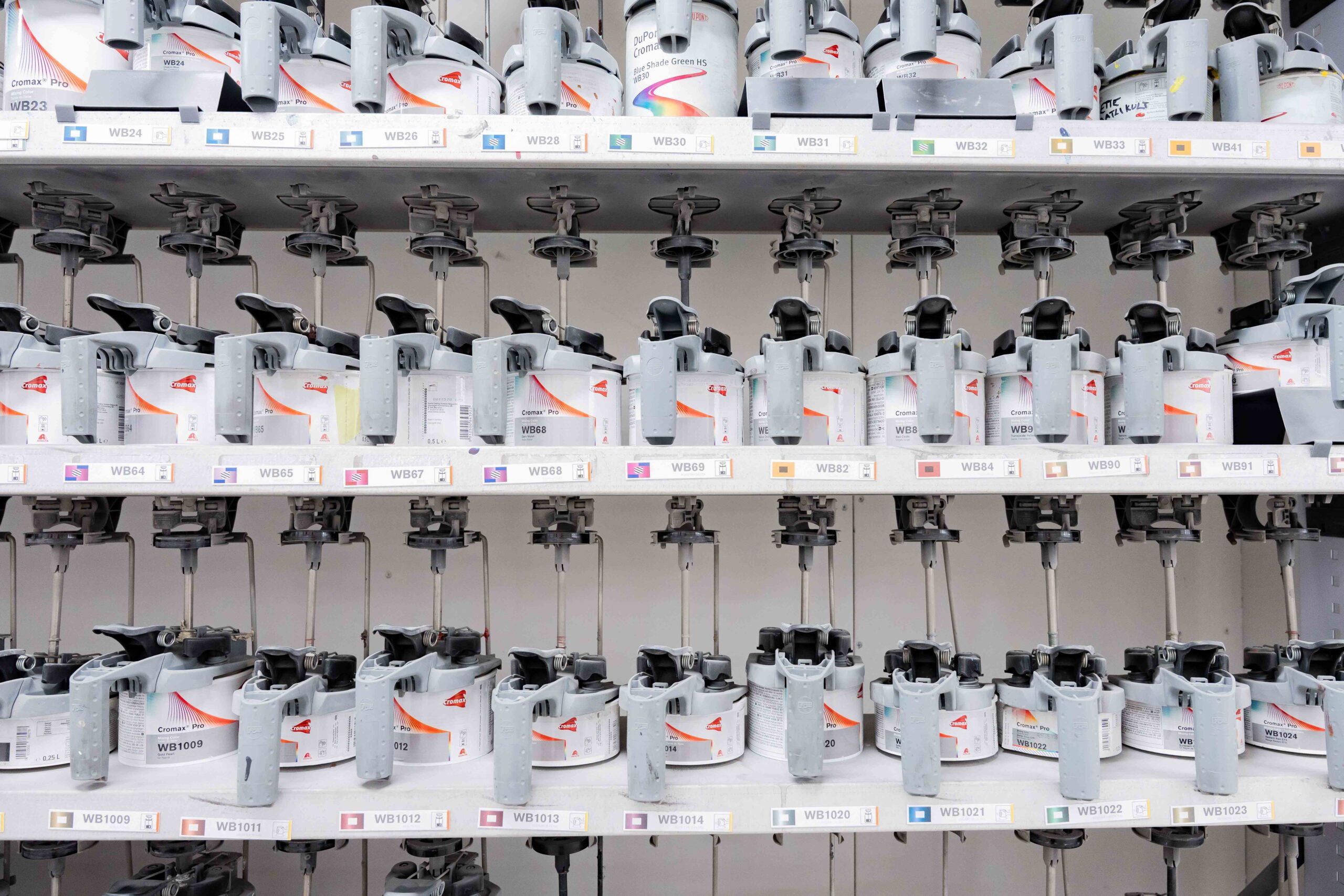
A single emulsion range can mean dozens of shades, several bases, matt and silk finishes, and pack sizes from 1 litre to 20 litres. Add tinting, where dealers mix colour on demand, and the number of sellable items explodes. Behind every one of them sits a formulation, a batch record and a cost that changes whenever an imported raw material does.
For paint manufacturers in Sri Lanka and the wider region, the problem isn’t making good paint. It’s keeping control of formulas, stock and margins as the range and dealer network grow.
Common pain points
- Formulations in spreadsheets with no version control, so nobody’s sure which recipe is current.
- Batch variation in shade or viscosity, with poor records of what went into each batch.
- Volatile raw material costs. Prices for titanium dioxide, resins and solvents swing with global markets and the exchange rate.
- SKU sprawl. Shade, base, finish and pack size multiply into thousands of codes.
- Dealer credit and schemes. Discounts, free issues and long credit terms erode margin.
- Tinting data. Colour mixed at the dealer isn’t always captured against stock or sales.
Formulation and batch control
A paint ERP should treat each formulation as a controlled bill of materials:
- Approved formulas with version history and change approval
- Batch production orders that issue raw materials by lot
- Quality results recorded against each batch: shade, viscosity, gloss and drying time
- Yield and wastage per batch
- Traceability from finished pack back to raw material lots
When a customer complains about a shade, you can trace the batch, the raw materials and the QC results in minutes.
Shade, base and pack size management
The way you structure items makes or breaks reporting. Many manufacturers use a structure that separates product, shade, base and pack size, so:
- Production plans by base and batch
- Packing converts bulk paint into pack sizes
- Sales and stock report by product family, shade group or pack
- Price lists apply by pack size and channel
Dealer and tinting-centre sales
Paint is usually sold through hardware dealers and tinting centres. A good system handles:
- Dealer price lists, discounts and promotional schemes
- Credit limits and collections, with alerts on overdue accounts
- Field sales visits and orders on mobile
- Tinting base and colourant stock at dealers, where you supply it
- Returns and claims
Costing when raw materials swing
When imported raw materials make up much of the cost, a standard cost set once a year goes stale fast. Update raw material costs from actual purchases, roll them through formulations, and review margins by product and pack size each month. Price changes to dealers can then be based on evidence, not guesswork.
What a paint manufacturing ERP should cover
| Area | Must-have |
|---|---|
| Formulation | Controlled formulas with versions and approvals |
| Production | Batch orders, lot issue, QC results, yield |
| Inventory | Raw materials by lot, bulk paint, packed goods, multiple stores |
| Purchasing | Import costing for raw materials |
| Sales | Dealer orders, schemes, credit control, field sales |
| Finance | Product costing, margins by pack and channel, VAT |
| Reporting | Batch quality, yield, margin and dealer performance |
How Blue Lotus 360 supports paint manufacturers
Blue Lotus 360 is an AI-native cloud ERP connecting manufacturing and planning, procurement, inventory and warehouse, sales force automation and finance. Paint manufacturers use it to manage formulations as bills of materials, run batches, track stock across stores and depots, and manage dealer sales and credit. SAS Paint Factory in Saudi Arabia is one of the manufacturers using Blue Lotus 360.
Role-based dashboards show stock, production and margins in real time, and BL11’s anomaly detection can flag unusual raw material usage or margin drops. See our ERP for chemicals and manufacturing ERP pages for more.
Questions to ask before choosing
- Can formulations be version-controlled with approval for changes?
- Can we trace a finished pack back to raw material lots and QC results?
- How does the system structure shade, base, finish and pack size?
- Can raw material cost changes roll through to product costs quickly?
- How are dealer schemes, free issues and credit limits managed?
- Does field sales data flow straight into orders and stock?
- Can it handle several plants, depots or export markets?
Controlling colour, cost and the dealer network
Good paint depends on consistent formulas and batches. A profitable paint business also depends on knowing your true cost per pack and keeping dealers on track. An ERP that connects the lab, the plant and the dealer network gives you both.
Book a demo to see formulation, batch and dealer management in Blue Lotus 360.
FAQs
What is paint manufacturing software?
Software, often part of an ERP, that manages paint formulations, batch production, quality, stock, dealer sales and costing.
How does ERP help with paint formulations?
It stores formulas as controlled bills of materials with version history, so production always uses the approved recipe and changes are tracked.
Can ERP track paint batches?
Yes. Batch production orders record raw material lots, quantities, QC results and yield, so each batch can be traced.
How do paint companies manage dealer sales?
With price lists, schemes, credit limits and field sales orders managed in one system, linked to stock and receivables.
Who uses Blue Lotus 360 for paint manufacturing?
SAS Paint Factory in Saudi Arabia is one of the manufacturers using Blue Lotus 360.