

TL;DR
- From 1 April 2029, VAT invoices between UK businesses, and between businesses and the public sector, must be sent as structured e-invoices.
- The UK will use Peppol, a four-corner network where your software sends invoices through an accredited access point.
- The Budget 2026 roadmap (28 October 2026) confirmed the start date and milestones. The mandate doesn’t initially include real-time reporting or invoice clearance by HMRC.
- A PDF emailed to a customer won’t count. Start now by cleaning customer and supplier data, mapping invoice flows and asking your software provider for its Peppol plan.
What is e-invoicing?
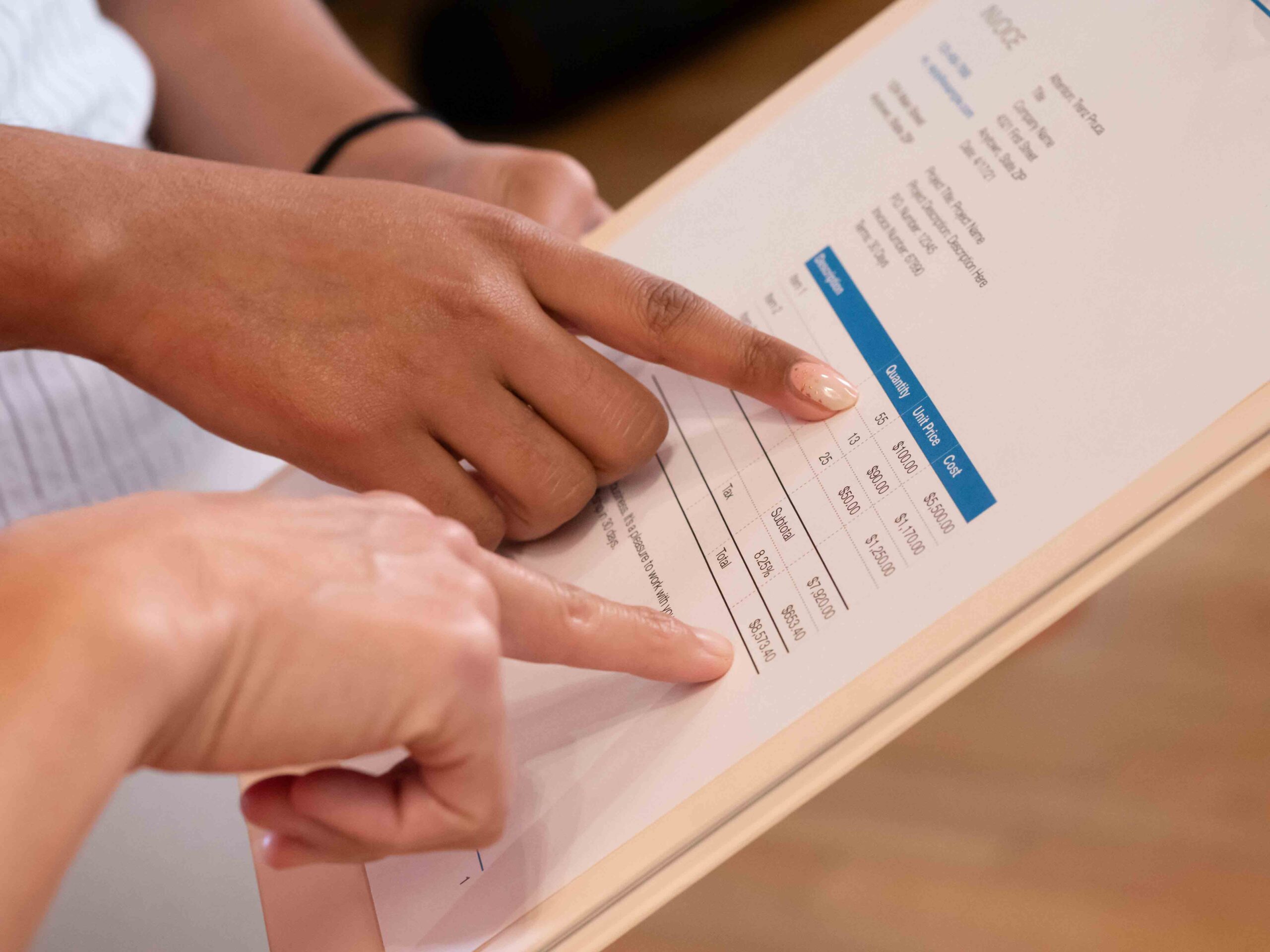
E-invoicing means sending invoices as structured data that the receiver’s system can read automatically, rather than as a PDF or paper document someone has to key in. The invoice moves from your finance system to your customer’s finance system in a standard format, with no retyping.
That difference matters. A PDF is just a picture of an invoice. An e-invoice is data, so it can be validated, matched to a purchase order and posted without anyone touching it.
What the UK mandate says
The government confirmed mandatory e-invoicing at the Autumn Budget on 26 November 2025, with a go-live of 1 April 2029 for all VAT invoices in business-to-business (B2B) and business-to-government (B2G) transactions.
On 23 June 2026, HMRC’s Tax Update 2026 confirmed Peppol as the core interoperability network. Then on 28 October 2026, HMRC and the Department for Business and Trade published the implementation roadmap alongside Budget 2026.
According to KPMG’s summary of the roadmap, the April 2029 mandate is limited to e-invoicing and won’t initially include invoice clearance, continuous transaction controls or real-time reporting to HMRC. That’s a lighter model than some EU countries have chosen.
E-invoicing timeline
| Date | Milestone |
|---|---|
| 26 Nov 2025 | Autumn Budget confirms mandatory e-invoicing from 1 April 2029 |
| Jan 2026 | Stakeholder co-design work begins |
| 23 Jun 2026 | Peppol confirmed as the core interoperability network |
| 28 Oct 2026 | Implementation roadmap published at Budget 2026 |
| Oct 2027 to Apr 2028 | Key requirements and technical standards due |
| Winter 2028 | Infrastructure and governance arrangements operational |
| 1 Apr 2029 | Mandatory e-invoicing begins for VAT invoices |
The roadmap timeline is summarised from Marosa VAT’s analysis. The government plans to legislate through the Finance Bill 2026-27.
How Peppol works, in plain English
Peppol uses what’s called a four-corner model.
- You create an invoice in your finance system.
- Your access point (an accredited service provider, often built into your software) converts and sends it over the Peppol network.
- Your customer’s access point receives it.
- Your customer’s finance system imports it automatically.
You don’t need to connect directly to every customer. You connect once, through an access point, and can then exchange invoices with anyone else on the network. Software providers are expected to complete any required accreditation with the UK Peppol Authority before go-live.
How it links to Making Tax Digital
Making Tax Digital (MTD) changed how VAT returns are submitted. E-invoicing changes how invoices are exchanged. They’re separate requirements, but they point the same way: VAT data that’s digital from end to end, with fewer manual steps where errors creep in. If you’ve already moved to MTD-compatible software, you’re part of the way there.
What changes for your finance team
Accounts receivable
Sales invoices must carry structured data in the required format and go out via Peppol. Customer records need correct identifiers, so you can find them on the network.
Accounts payable
Supplier invoices will arrive as data. Matching to purchase orders and goods received becomes much faster, and keying in supplier invoices largely disappears.
Master data
E-invoicing exposes messy data. Duplicate customers, wrong VAT numbers and inconsistent units of measure will cause rejections.
Processes and controls
Approval workflows, credit notes and dispute handling all need to work with structured invoices rather than email attachments.
E-invoicing readiness checklist
- Map your invoice flows. How many sales and purchase invoices do you handle each month, and through which systems?
- Clean your master data. Check customer and supplier names, VAT numbers and addresses.
- Talk to your software provider. Ask whether it will support Peppol, when, and whether access point services are included.
- Review approval workflows so they can handle invoices that arrive as data.
- Plan supplier communication. Some smaller suppliers will need time and help.
- Watch the guidance. Technical standards and legislation are due through 2027 and 2028.
- Budget for change. Software updates, data clean-up and training all take time.
What to ask your ERP vendor
- Will you support Peppol e-invoicing before April 2029?
- Will you provide an access point, or partner with one?
- How will incoming e-invoices match to purchase orders and goods received?
- How will credit notes and rejections be handled?
- What will change in our current invoice templates and workflows?
- Is there any extra cost?
If a vendor can’t give clear answers by 2027, factor that into your system plans.
Getting ready with Blue Lotus 360
E-invoicing works best when sales, purchasing and finance already share one set of data. Blue Lotus 360 is an AI-native cloud ERP that brings finance, procurement, inventory and sales together, with approval workflows and an open API architecture for connecting to external services. Its document processing and anomaly detection features already help teams capture and check supplier invoices today.
If you’d like to understand how your invoicing processes would need to change before 2029, talk to our team.
Preparing now, not in 2028
April 2029 can look a long way off, but the groundwork, especially data clean-up and system decisions, takes time. Businesses that start now will reach the deadline with cleaner data and faster processes. Those that wait risk a rushed project in a market where every software provider is busy.
FAQs
When does e-invoicing become mandatory in the UK?
From 1 April 2029, for VAT invoices in B2B and B2G transactions, as confirmed at the Autumn Budget 2025 and set out in the Budget 2026 implementation roadmap.
Will a PDF invoice still count?
No. Under the mandate, VAT invoices must be structured e-invoices exchanged through the Peppol framework, not PDFs or paper.
What is Peppol?
Peppol is an international network and set of standards for exchanging e-invoices. Businesses connect through accredited access points rather than directly with each customer.
Does the UK mandate include real-time reporting to HMRC?
Not initially. The roadmap confirms the April 2029 mandate covers e-invoicing only, without invoice clearance or real-time reporting to HMRC at launch.
What should businesses do now?
Map invoice flows, clean customer and supplier data, ask your software provider about Peppol support and follow HMRC guidance as technical standards are published.