

TL;DR
- Sri Lankan sales teams lose hours every day to manual quotes, spreadsheet pipelines, and WhatsApp-based approvals. It’s a systems problem, not a people problem.
- Sales force automation (SFA) removes that admin by systematising lead tracking, follow-ups, quotations, credit checks, and order processing.
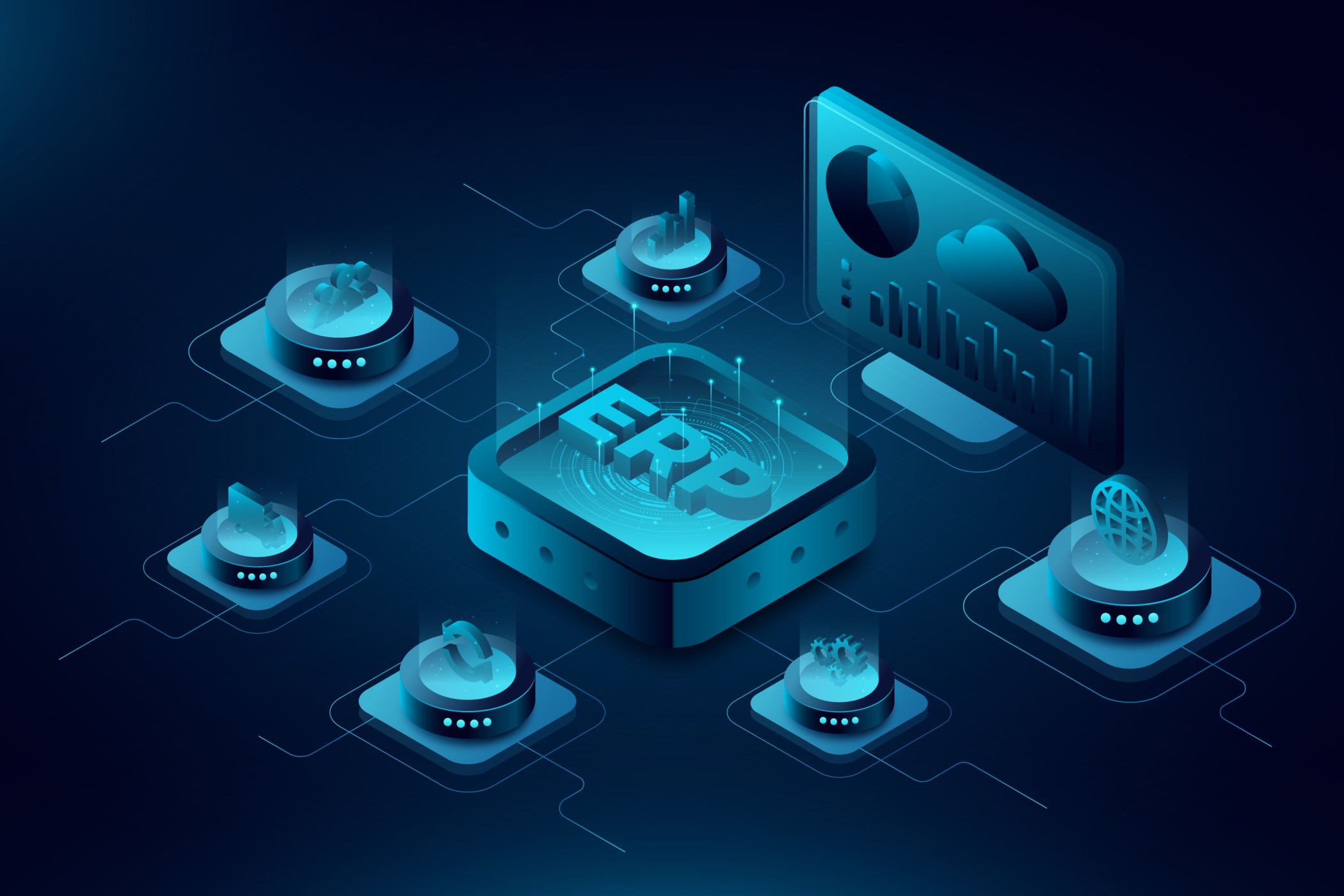
- When SFA is built into an ERP (not a standalone tool), it connects directly to live inventory, pricing, finance, and operations, so your team quotes accurately and closes faster.
- Globally, SFA cuts admin time by up to 14 hours per rep per week and lifts sales revenue by an average of 29%.
- Key wins for Sri Lankan businesses: no more lost customer data when a rep leaves, automated credit control, real-time pipeline dashboards, and mobile access for field teams.
- Works across trading, manufacturing, construction, services, and retail applications differ, but the gains are consistent.
- Blue Lotus 360’s SFA module is fully integrated into its cloud ERP platform, built for Sri Lankan business conditions.
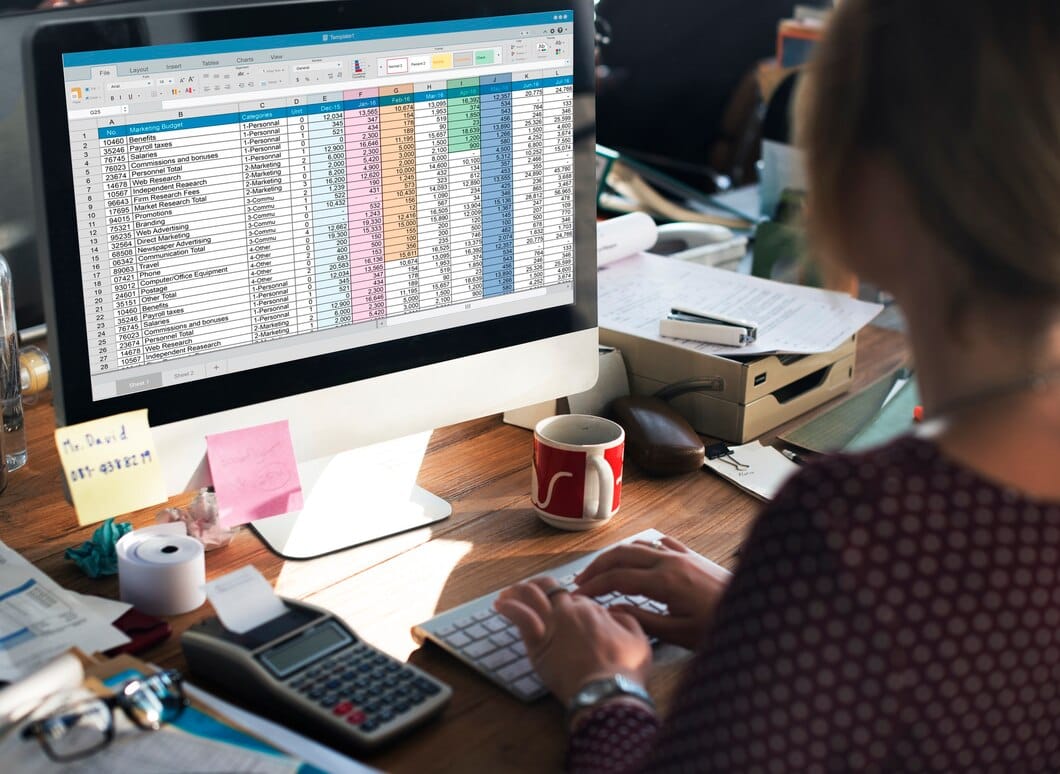
Let’s be honest about something. In most Sri Lankan businesses, the sales process runs on a combination of WhatsApp messages, Excel sheets, and the memory of your best rep. It works until it doesn’t.
A top salesperson leaves. Three months of customer context walks out the door with them. Or a rep quotes a price that’s two months out of date because nobody told them the supplier increased rates. Or you sit through a pipeline review meeting where nobody actually knows what’s going to close this month, and you end up making targets based on gut feel and optimism.
None of this is a people problem. It’s a systems problem. And sales force automation particularly when it’s embedded inside an ERP solves it directly.
What Is Sales Force Automation, Really?
Sales force automation (SFA) is software that removes the repetitive, manual work from your sales process. Lead capture, follow-up reminders, quote generation, order processing, and sales reporting. All of it gets systematised rather than left to individual discipline.
But here’s the distinction that actually matters: there’s a big difference between a standalone SFA tool and one that’s built into your ERP.
A standalone tool tracks contacts and deals. Useful, but limited. An ERP-integrated SFA connects your entire sales cycle to live inventory, real-time pricing, credit limits, production capacity, and finance data. When your sales team quotes a delivery date, they know it’s achievable. When they offer a price, it’s the right price. When a customer is over their credit limit, the system catches it before the order is confirmed, not after you’ve already dispatched the goods.
That’s not a minor upgrade. That’s a fundamentally different way of running a sales operation.
Why This Is a Bigger Problem in Sri Lanka Than You Think
Globally, sales reps spend only about 28% of their working week actually selling. The rest goes on admin, data entry, internal meetings, and chasing information from other departments. (Salesforce, State of Sales Report)
In Sri Lanka’s context, that number is often worse. Here’s why.
Sales here is deeply relationship-driven which is genuinely a competitive strength. But the flip side is that customer knowledge tends to live in people’s heads and personal phones rather than in a shared system. When Niroshan moves to a competitor, he takes every contact, conversation history, and informal understanding he built over three years with him. Your CRM, if you even have one, is empty.
Beyond that, many growing Sri Lankan businesses are running on a patchwork of tools that don’t talk to each other. Quotes get built in Word. Approvals happen over WhatsApp. Orders get manually entered into the accounts system. Stock checks involve physically calling the warehouse. Each handoff is a place where something can go wrong, get delayed, or simply get dropped.
Research by McKinsey found that companies with strong sales automation capabilities are 1.5 times more likely to grow revenue faster than their competitors. That gap exists whether you’re in Colombo, Kandy, or Kurunegala.
The businesses that fix their systems win more business. It’s that straightforward.
How ERP-Integrated Sales Force Automation Actually Works
When SFA is part of your ERP not bolted on as a separate subscription here’s what changes across the sales cycle.
Lead and Opportunity Management
Every lead that comes in, whether from a walk-in enquiry, a referral, a trade expo, or a web form, gets captured directly in the system. It’s assigned to a rep, given a stage, a follow-up date, and an estimated value. Your pipeline isn’t a feeling anymore. It’s a number, broken down by stage, by rep, by product line, by close date.
Sales managers stop asking “so where are we with that Keells account?” and start having actual coaching conversations based on real data.
Automated Follow-Ups (So Nothing Gets Dropped)
This is where businesses lose the most money without realising it. A warm lead doesn’t hear back for ten days because the rep got busy. A quote never gets followed up because nobody tracked it. A renewal comes up and the customer has already signed with someone else.
SFA fixes this with automatic reminders. If a lead hasn’t been contacted in four days, the system flags it. If a quote hasn’t received a response in a week, the rep gets a nudge. The pipeline keeps moving without depending on anyone’s memory.
According to Harvard Business Review, companies that follow up on leads within an hour are seven times more likely to qualify that prospect than those who wait even 60 minutes longer. A system that automates this isn’t a nice-to-have. It’s a competitive edge.
Quotation Generation That Doesn’t Embarrass You
Here’s a scenario that happens more often than sales managers like to admit. A rep sends a quote with last quarter’s pricing because they copied an old template. Or they quote a product that’s been out of stock for two weeks. Or they forget the customer is on a special pricing tier and use the standard rate.
With ERP-integrated SFA, quotes are generated from live data. Current pricing, current stock, correct customer tier. Automatically. The rep focuses on the relationship. The system handles the accuracy.
Once the customer accepts, the quote converts to a sales order in one click. No re-keying, no version confusion, no opportunity for a typo to turn a profitable order into a loss.
Credit Control That Doesn’t Require a Phone Call
Trading businesses in Sri Lanka know this problem intimately. A sales rep confirms a large order, the goods get dispatched, and then the finance team notices the customer is already 90 days overdue on their previous invoice.
ERP-based SFA runs credit checks automatically before an order is confirmed. If a customer is over their approved limit, it doesn’t block the sale, it triggers an approval workflow. The sales manager or finance director gets a notification, makes a call, and either approves or negotiates terms. The whole thing happens in the system, not in a series of increasingly urgent WhatsApp messages at 5pm on a Friday.
From Order Confirmation to the Warehouse Without You Doing Anything
The moment a sales order is confirmed, it flows directly to the warehouse team within the same ERP. Stock is allocated, a delivery note is generated, and the fulfilment process begins. The rep can check delivery status from their phone without calling anyone. The customer gets accurate, up-to-date information.
When sales and operations run on the same system, the usual communication gaps close up quickly. Delivery delays caused by a missed handoff. Wrong items picked because someone read a handwritten order form incorrectly. These problems don’t disappear entirely, but they drop significantly.
Dashboards That Tell You What’s Actually Happening
Every sales manager has been in this position. You’re two weeks from month-end, you ask the team for a pipeline update, and you get five different spreadsheets in five different formats, none of them current, none of them consistent.
ERP-integrated SFA gives you a live dashboard. Pipeline value by stage. Conversion rate by rep. Revenue versus target. Quotes sent but not followed up. Orders confirmed this week. You can see it all from your desk, on your phone, at 7am before anyone else is in the office.
MDs stop hearing “I think we’re on track” and start seeing whether that’s actually true.
The Stats That Should Make You Pay Attention
These numbers aren’t theoretical. They reflect what happens when businesses systematise their sales processes.
- Companies using SFA report a 29% increase in sales revenue on average. (Salesforce)
- Sales automation reduces time spent on administrative tasks by up to 14 hours per week per rep. (McKinsey)
- Businesses with automated lead follow-up convert 50% more leads at a 33% lower cost. (Forrester)
- 65% of sales reps say they can’t find content or data to support a customer conversation because it’s locked in disconnected systems. (Salesforce, State of Sales)
- ERP-integrated businesses see quote-to-order cycle times drop by an average of 40% compared to manual processes. (Aberdeen Group)
These gains don’t require a massive operation or a large IT team. They come from replacing manual habits with a system that works consistently.
What to Look for in SFA Software for Sri Lanka
Not all ERP systems handle this equally well. When you’re evaluating options, these are the capabilities that actually matter:
- Pipeline management with stages you can customise to your actual sales process, not a generic template
- Customer history that captures every call, email, visit, and quote in one place
- Live quotation tools connected to current pricing and real stock levels
- Approval workflows for discounts, credit limit exceptions, and large orders
- Automated follow-up reminders so hot leads don’t go cold
- Mobile access for field reps this is non-negotiable for Sri Lanka’s distribution-heavy economy
- Finance integration for invoicing, receipts, and debtor management
- Multi-currency support if you’re importing, exporting, or billing in foreign currencies
- Reporting dashboards that your sales manager can actually read without an IT degree
One thing worth flagging on multi-currency: a large number of Sri Lankan businesses transact in both LKR and USD or EUR, particularly in trading, manufacturing, and services. An ERP that handles this natively saves you a significant amount of reconciliation effort every month.
How Different Industries in Sri Lanka Use SFA
The core functionality is the same, but how it applies varies by sector.
Trading and Distribution: The main value is speed and accuracy. Reps get livestock visibility so they stop overpromising. Credit checks are automatic. Quotes turn into orders without manual re-entry. For distributors managing hundreds of SKUs across multiple warehouses, this kind of integration is the difference between a profitable quarter and a chaotic one.
Manufacturing: Before a sales rep commits to a delivery date, they need to know whether production can actually deliver. ERP-integrated SFA links sales orders to production scheduling. Your team stops making promises the factory can’t keep.
Construction and Engineering: These are long sales cycles with complex tendering processes. SFA tracks every tender submission, every client conversation, every follow-up date. Once a contract is won, the project costing module picks up where the sales process left off.
Services (Security, Facilities, Professional Services): Recurring revenue businesses live and die by contract renewals. SFA tracks every renewal date, generates automated reminders, and logs service history so your account managers walk into renewal conversations knowing exactly what the customer has experienced.
Retail and Wholesale: Field reps visiting retail outlets can take orders, check stock, apply promotions, and process transactions from their phone. No paper order forms. No batch data entry at the end of the day.
The Real Cost of Not Fixing This
Here’s a question worth sitting with. How much revenue did you lose last year because a follow-up didn’t happen? Because a rep quoted the wrong price? Because a credit decision was made too slowly? Because nobody knew which deals were actually going to close?
These aren’t dramatic failures. They’re small, quiet losses that accumulate across every sales week. A study by CSO Insights found that nearly 50% of sales managers say they have no confidence in their team’s ability to forecast accurately. That’s not because the people are bad at their jobs. It’s because the systems don’t support accurate forecasting.
The cost of not implementing SFA isn’t just operational inefficiency. It’s revenue that’s there for the taking but slips through because your process isn’t solid enough to capture it.
What Changes After You Implement It
Businesses that make the switch from fragmented tools to integrated ERP-SFA typically notice a few things within the first quarter.
Quote turnaround gets faster because reps aren’t assembling quotes manually. Follow-up rates improve because the system is doing the remembering. Pipeline meetings get shorter because everyone is working from the same live data. Credit incidents drop because the checks happen before the goods go out. And when someone leaves the sales team, their customer history stays in the system which means the business doesn’t lose what it took years to build.
The broader shift is that your sales function stops being personality-dependent and starts being process-dependent. That’s what makes it scalable.
Why Blue Lotus 360 for Sales Force Automation in Sri Lanka
Blue Lotus 360 is an AI-powered cloud ERP platform built specifically for the kind of businesses that operate across Sri Lanka and the UK trading companies, manufacturers, distributors, service businesses, and more. Its Sales Force Automation module isn’t a separate tool bolted onto the side. It’s integrated natively with inventory, finance, procurement, warehouse management, and HR.
For a sales manager in Colombo, that means:
- Quotes pull live stock availability from your warehouse in real time
- Sales orders flow to operations the moment they’re confirmed, no manual handoff required
- Credit checks run automatically against your finance data before any order is processed
- Mobile access lets your field reps work from anywhere in the country
- Dashboards give you an accurate pipeline view without waiting for anyone to send you a file
Whether you’re running a trading operation managing a complex debtor book, a manufacturer where sales and production need to stay in sync, or a services business where contract renewals are the lifeblood of revenue. Blue Lotus 360 gives your team the tools to work faster and your leadership team the visibility to make decisions with confidence.
Book a free demo at bluelotus360.com/lk/ and see exactly how the SFA module works for your business.
Frequently Asked Questions
What is sales force automation in Sri Lanka?
Sales force automation (SFA) is software that systematises the repetitive parts of the sales process lead tracking, follow-up reminders, quotation generation, order processing, and pipeline reporting. In Sri Lanka, where sales teams often rely on manual processes and personal relationships, SFA creates a consistent, scalable process that doesn’t depend on any one individual.
How is ERP-based SFA different from a standalone CRM?
A standalone CRM manages contacts and deals but operates in isolation. ERP-integrated SFA connects your entire sales process to live inventory, real pricing, credit limits, production schedules, and finance data. Your reps quote accurately, your managers see the real pipeline, and your orders flow to fulfilment without manual handoffs. It’s a fundamentally different level of integration.
Is sales force automation suitable for small businesses in Sri Lanka?
Absolutely. A team of five reps benefits just as much as a team of fifty, sometimes more, because there’s less margin for dropped leads and manual errors. Cloud ERP platforms like Blue Lotus 360 scale to your size, so you only pay for what you need.
Can SFA software support field sales teams across Sri Lanka?
Yes. Cloud-based SFA with full mobile access means your field reps can log visits, take orders, check stock availability, and update customer records from their phone, whether they’re in Colombo, Gampaha, or Galle. This is particularly valuable for FMCG distributors, pharma sales teams, and any business with reps working across the provinces.
How long does ERP and SFA implementation take?
For most Sri Lankan SMBs, a structured implementation runs between 8 and 16 weeks depending on the complexity of your sales process and how many integrations are needed. Working with a local ERP partner who understands the Sri Lankan business context makes a significant difference to how smoothly that process goes.